
Vietnam’s economy is booming, with GDP growth averaging 6-7% annually, but personal finance remains a challenge for many amid rising costs in cities like Hanoi and Ho Chi Minh. Mastering budgeting, saving, and investing can secure your future, whether you’re a young professional earning 15-20 million VND monthly or a family managing household expenses. This guide breaks down practical steps to build wealth, avoid common pitfalls, and leverage local opportunities like stock markets and high-yield savings.
Step 1: Create a Realistic Budget
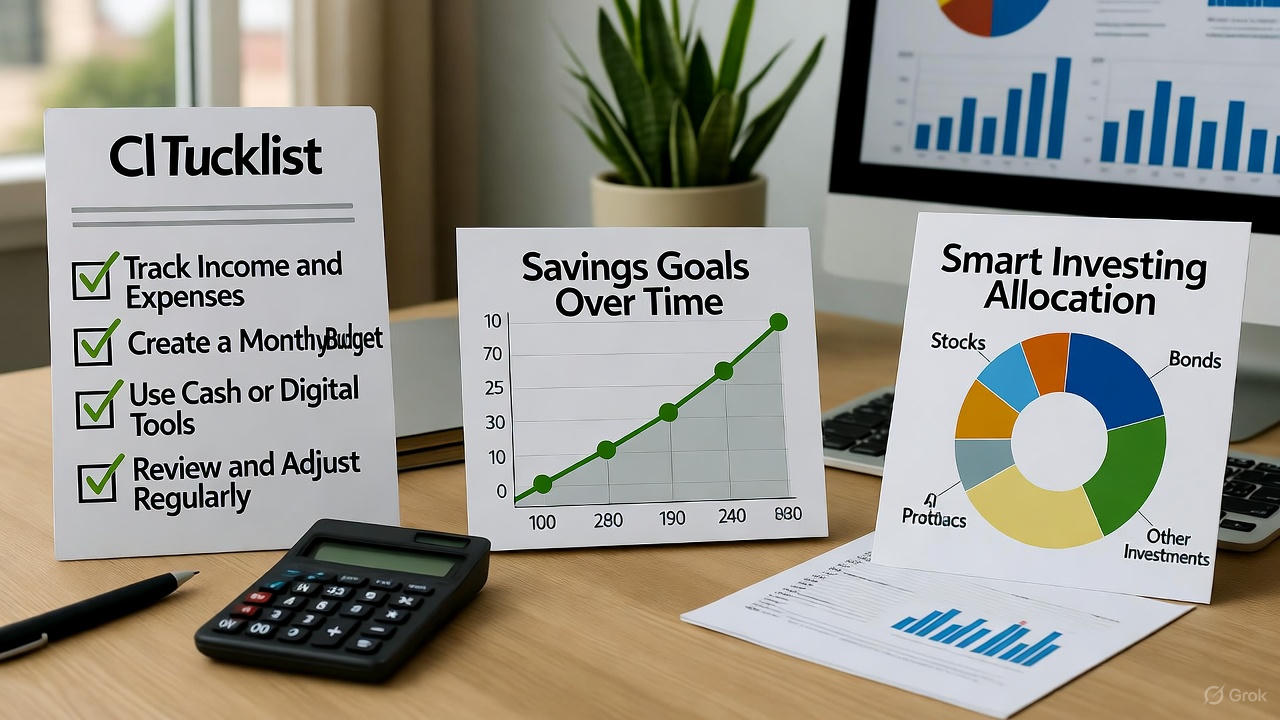
The 50/30/20 rule works well in Vietnam: 50% needs (rent, food, utilities), 30% wants (dining, entertainment), 20% savings/investments.
Track expenses for one month using apps like Money Lover or Misa. Example: A 20 million VND salary might allocate 10M to needs (rent 6M, food 2M, transport 1M, utilities 1M), 6M to wants, and 4M to savings.
Cut unnecessary costs: Switch to local markets for groceries (save 20-30%), use GrabBike over taxis, cancel unused subscriptions. Inflation at 3-4% erodes purchasing power—budget annually.
Step 2: Build an Emergency Fund
Aim for 3-6 months’ expenses in a liquid account. For 15M monthly spend, target 45-90M.
Use high-interest savings: Techcombank or VPBank offer 5-6% on online accounts. Start small: Auto-transfer 10% paycheck.
Why? Job loss or medical emergencies (common in Vietnam) can derail plans. COVID taught many this lesson—unemployment spiked to 3.7% in 2021.
Step 3: Eliminate High-Interest Debt
Credit cards charge 20-30% annually; payday loans higher. Prioritize payoff.
Debt snowball: Pay smallest first for momentum. Example: 10M card debt at 25%—minimum payments take years; extra 2M/month clears in 6 months, saving 5M interest.
Refinance via bank loans at 10-12%. Avoid new debt—use cash for purchases.
Step 4: Start Investing Wisely
Once debt-free and funded, invest the 20% allocation.
- Savings Accounts/Fixed Deposits: 5-7% risk-free. Ideal for short-term.
- Government Bonds: Via treasury or banks, 6-8%, low risk.
- Stock Market (VN-Index): Up 15% YTD 2025. Open SSI or VCB Securities account (min 0 VND). Start with blue-chips: VNM (Vinamilk), VIC (Vingroup). Diversify via ETFs like VNM ETF.
- Mutual Funds: VCBF or Dragon Capital—professional management, 8-12% historical returns.
- Gold/SJC: Hedge inflation; buy physical or via apps.
Beginner tip: Invest 5-10M initially. Use dollar-cost averaging—monthly buys reduce volatility.
Risks: Stocks can drop 20% (2022 bear market). Never invest emergency funds.
Step 5: Plan for Retirement and Insurance
Vietnam’s social insurance covers basics, but supplement.
- Voluntary VSS: Extra contributions for higher pension.
- Private plans: Manulife or Prudential—combine life/health/investment.
Retirement goal: 20x annual expenses by 60. At 40, with 500M saved at 8%, grows to 2B+ in 20 years.
Health insurance mandatory; add critical illness coverage (cancer rates rising).
Common Vietnamese Finance Mistakes
- Keeping cash under mattress (inflation loss).
- Speculative crypto/FX without knowledge.
- Over-relying on family support.
- Ignoring taxes: Report investment income >100M/year.
Tools and Resources
- Apps: Finhay (micro-investing), Infina.
- Books: “Rich Dad Poor Dad” (Vietnamese edition).
- Communities: Cafef.vn forums, Facebook finance groups.
Track net worth quarterly. Example progression: Year 1: 50M saved. Year 5: 300M+ with compounding.
Personal finance isn’t about getting rich quick—it’s consistent habits. In Vietnam, with rising middle class (projected 50% by 2030), starting now leverages growth. Budget today, invest tomorrow, retire comfortably.